Hygiene Standards in Shared Workspaces: How to Keep Communal Areas Clean and Professional
Sophie Tillson · 3 Aug 2026
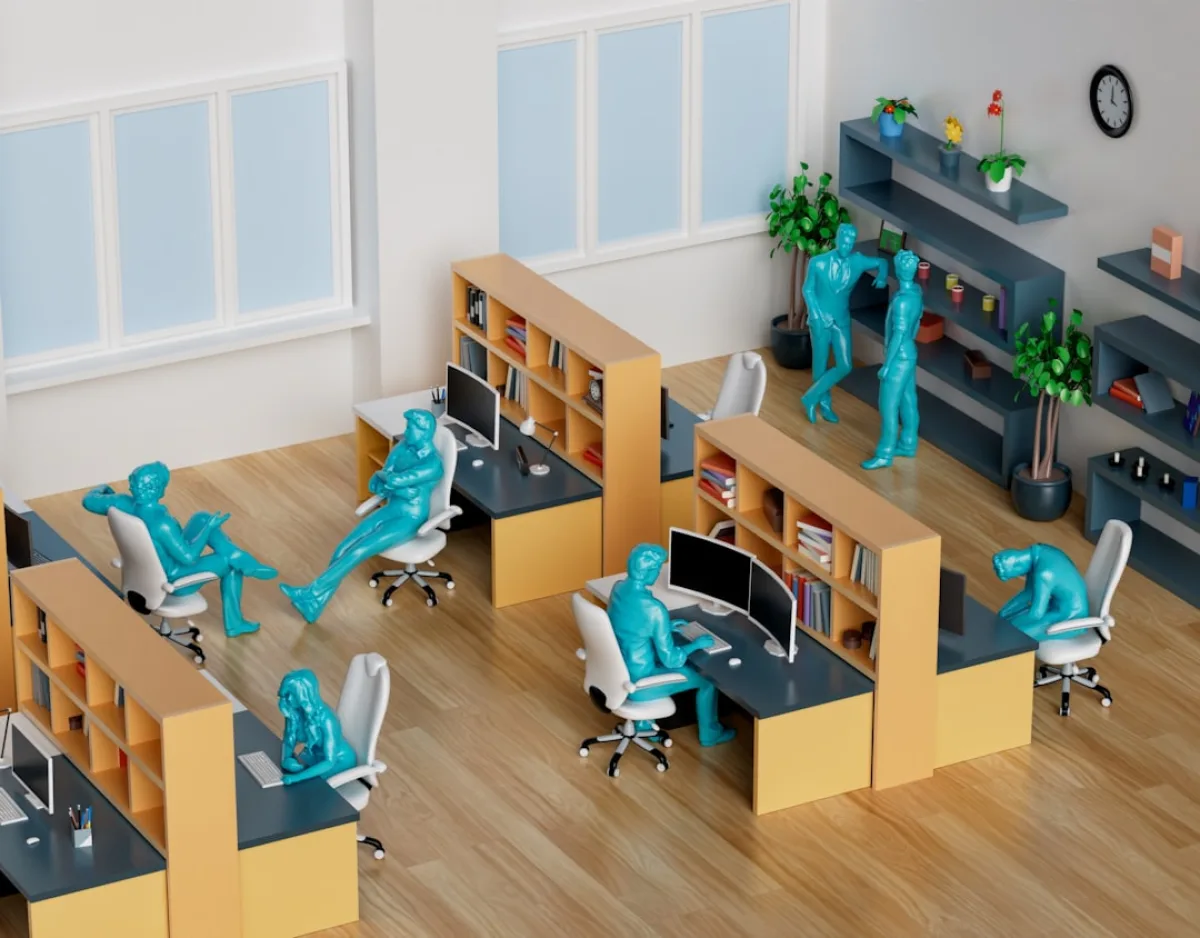
Shared workspaces have grown enormously in popularity across Norfolk and Suffolk. Whether you run a co-working hub, a multi-tenant office building, or a serviced business centre, keeping communal areas clean is one of the most important things you can do for the people who use your space every day.
The challenge is that shared environments are used by many different people with many different habits. Without a consistent approach to hygiene, standards can slip quickly, and that affects everything from first impressions to staff wellbeing. Our team works with shared workspace operators across the region, and in this article we share practical guidance on raising and maintaining hygiene standards in communal settings.
Why Hygiene Matters More in Shared Spaces
In a traditional single-occupancy office, one business sets the tone and one team takes responsibility. In a shared workspace, that clarity disappears. Multiple businesses, freelancers, and visiting clients all move through the same kitchen, toilets, meeting rooms, and reception areas throughout the day.
High footfall means surfaces accumulate bacteria, dust, and general grime much faster than in a conventional office. A dirty kitchen or grimy toilet reflects poorly on every business operating under that roof, even if no single tenant is responsible. That is why it falls to the workspace operator or building manager to put proper cleaning arrangements in place.
Our cleaners regularly see the same problem areas come up in shared environments:
- Kitchens and break areas -- food residue, spillages, and unwashed surfaces build up fast when several teams share one space
- Toilets and washrooms -- high-use facilities need more frequent attention than a standard office washroom
- Meeting rooms -- whiteboards, shared equipment, and upholstered seating all need regular cleaning between bookings
- Reception and entrance areas -- the first thing visitors see, and often the last to receive attention
- Desk and hot-desk areas -- used by different people throughout the week, these surfaces rarely get wiped down between users
Building a Cleaning Routine That Works for Shared Environments
A successful cleaning routine for a shared workspace needs to account for the pace and pattern of use. A single weekly clean is rarely enough. Most shared spaces benefit from a combination of regular scheduled cleaning and periodic deep cleans to address the areas that daily routines miss.
Daily and Weekly Cleaning
For most shared workspaces, daily cleaning of high-contact surfaces, toilets, and kitchen areas is the baseline. This should include wiping down worktops, sanitising touch points such as door handles, lift buttons, and light switches, emptying bins, and mopping hard floors. A regular office cleaning arrangement gives you consistency and means nothing gets overlooked between visits.
Periodic Deep Cleans
Even with a solid daily routine in place, shared workspaces accumulate grime in places that routine cleaning does not reach. Grout lines, upholstery, extractor fans, skirting boards, and the backs of kitchen appliances all need attention on a less frequent but thorough basis. A scheduled commercial deep clean every few months helps you stay on top of this and keeps your workspace looking and smelling fresh throughout the year.
One-Off Cleans for Specific Situations
Shared workspaces often host events, welcome new tenants, or experience periods of unusually high footfall. A one-off commercial clean is a practical option when you need to reset a space quickly, prepare it for a new occupant, or restore it to a high standard after a busy period. Our team can work around your schedule so disruption to your tenants is kept to a minimum.
Practical Tips for Maintaining Standards Between Cleans
Professional cleaning is essential, but what happens between visits matters too. Here are some straightforward steps that shared workspace operators can put in place to help keep standards up day to day.
Provide the Right Supplies
Make sure cleaning supplies are accessible and topped up. Surface wipes, hand sanitiser, and paper towels in kitchen and toilet areas encourage users to clean up after themselves. If people have to hunt for supplies, they are far less likely to bother.
Clear Signage Goes a Long Way
Simple, polite signs in kitchens and shared areas reminding users to wipe surfaces after use, wash dishes promptly, and dispose of food waste properly can make a real difference. Most people will respond well when expectations are made clear.
Keep Bins Accessible and Emptied Frequently
Overflowing bins are one of the fastest ways for a shared space to feel neglected. Make sure there are enough bins positioned throughout the space, and that they are included in daily cleaning rounds.
Set Expectations with Tenants
When tenants move in or sign up for a membership, share a brief guide to shared space etiquette. Covering things like kitchen use, desk hygiene, and meeting room tidying sets a positive tone and reduces the burden on your cleaning team.
Finding the Right Cleaning Support in Norfolk and Suffolk
If you manage or operate a shared workspace in the region and you are looking for reliable, professional cleaning support, our team is here to help. We cover a wide range of locations across Norfolk and Suffolk, and we are experienced in the specific demands of communal and multi-tenant environments.
Whether you need a regular cleaning arrangement, a deep clean, or a one-off refresh, we can put together something that suits the way your space works. Get in touch with our team to talk through what you need and we will take it from there.
Related advice
Cleaning a Rental Property When You Have Pets: A Room-by-Room Guide
Moving out of a rental with pets takes extra preparation. Our room-by-room guide covers everything you need to tackle pet hair, odours, and marks before your landlord's final inspection.
17 Sep 2026
Read More
How to Pass Your End of Tenancy Inspection and Keep Your Deposit
Moving out of a rental? Our practical guide walks you through what landlords and letting agents in Norfolk and Suffolk actually look for, and how to make sure cleaning costs never come out of your deposit.
16 Sep 2026
Read More
How to Keep a Hospitality Venue Clean and Guest-Ready
From busy dining rooms to staff prep areas, keeping a hospitality venue clean takes more than a quick once-over. Here is how our team approaches it.
15 Sep 2026
Read More