
What to Clean First When Taking Over a Commercial Property
Sophie Tillson · 19 Sep 2026
Whether you are moving into a freshly vacated office, taking on a retail unit, or handing back a commercial lease, the cleaning process matters far more than most people expect. Buildings accumulate grime, dust, and residue even when they look reasonably tidy. Getting the order right — knowing what to tackle first — means the whole job goes more smoothly and nothing gets missed.
Our team carries out move-in and move-out cleans across Norfolk and Suffolk, and we have learned a great deal about what works and what causes headaches. This guide walks you through our approach so you know exactly what to expect.
Why the Order of Cleaning Makes a Difference
It might be tempting to start wherever looks dirtiest, but working without a logical sequence often means you clean the same surfaces twice. Dust falls downward, dirty water runs along floors, and grease from extraction units settles on surfaces below. Starting in the wrong place wastes time and effort.
Our general rule is to work from top to bottom and from back to front. That means ceiling fixtures, air vents, and high shelving come first, and floor cleaning always comes last. This approach applies whether we are doing a commercial deep clean or a more focused one-off job.
Start with Ventilation and High Surfaces
Air vents and extract covers are often overlooked during day-to-day maintenance. By the time a building changes hands, these can be thick with dust and debris. Cleaning them early means that anything dislodged settles onto surfaces that have not yet been cleaned, rather than contaminating work you have already done.
High shelving, tops of cabinets, light fittings, and ceiling corners should all be addressed at this stage. A thorough dusting and wipe-down here sets the foundation for everything that follows.
Windows, Walls, and Fixtures Next
Windows — including frames, sills, and any internal glass partitions — benefit from being cleaned before the floors are touched. Drips and splashes are inevitable, and they need somewhere clean to land so they can be mopped up properly at the end.
Internal walls, light switches, plug sockets, door frames, and skirting boards all come next. These are the surfaces that build up a surprising amount of hand contact marks and general grime over time. In commercial properties, they are often cleaned far less regularly than desks or floors, so they can hold years of residue.
Kitchen and Bathroom Areas: Prioritise Hygiene
Staff kitchens and bathrooms need particular attention during a move-in or move-out clean. These areas carry the highest hygiene risk and tend to accumulate grease, limescale, and bacteria in places that are easy to overlook during routine maintenance.
Kitchen Deep Clean Checklist
- Degrease all appliances inside and out, including ovens, microwaves, and fridges
- Clean inside cupboards and drawers, not just the fronts
- Descale sinks and taps thoroughly
- Wipe down all worktops, including the undersides and edges
- Clean behind and underneath freestanding appliances
- Degrease extraction hoods and filters where accessible
Bathrooms and Washrooms
- Descale toilets, cisterns, and around the base of the pan
- Clean grout lines in tiled areas
- Descale taps, showerheads, and any chrome fittings
- Wipe down hand dryers and soap dispensers
- Clean mirrors, shelving, and any storage units
- Sanitise all contact points including door handles and flush handles
These areas should be left sanitised and odour-free before floors are cleaned. Getting them genuinely clean — not just surface-wiped — is one of the things that separates a proper commercial move clean from a basic tidy-up.
Office and Workspace Areas
In office environments, the focus shifts to dust management and surface hygiene. Desks, drawers, and storage units should be cleared down and wiped, but the areas underneath and behind furniture are just as important. Cables gather dust, and the spaces under raised flooring tiles can hold years of debris if the building has had an IT infrastructure in place.
Our team pays close attention to:
- Keyboard trays and under-desk surfaces
- Internal cable management channels
- Meeting room furniture, including chairs and table legs
- Reception desks and any customer-facing areas
- Internal glass partitions and door panels
If the space is being handed back to a landlord, a thorough office clean demonstrates that the property has been properly maintained and reduces the risk of disputes over deposit deductions or dilapidation charges.
Retail and Hospitality Spaces
Retail units and hospitality venues come with their own challenges. Display units, shelving tracks, and point-of-sale areas all accumulate dust and adhesive residue from labels and price tags. Fitting rooms, storage areas, and back-of-house spaces are often neglected during normal trading and may not have had a proper clean in years.
For hospitality properties, bar surfaces, draught tap areas, and kitchen serveries need degreasing as a priority. Seating upholstery and booth surfaces should be thoroughly wiped down, and any carpeted areas should be vacuumed and spot-treated before a final clean.
We cover a wide range of business premises across the region. If you are not sure whether your property type falls within our scope, our frequently asked questions page is a good place to start.
Floor Cleaning: Always Last
This cannot be overstated. Floors are the final stage of any proper commercial clean. Every bit of dust, liquid, and debris that comes off the surfaces above will end up on the floor, so cleaning it before everything else is finished means going back and doing it again.
The right approach depends on the floor type:
- Hard floors — sweep or dry vacuum first, then mop with a suitable cleaner. Pay attention to corners, edges, and grout lines in tiled areas.
- Carpeted areas — vacuum thoroughly before any spot treatment, then treat stains individually before a final vacuum pass.
- Vinyl or safety flooring — use a suitable floor cleaner and avoid anything that will leave a residue or damage the finish.
In spaces that have been empty for a while, you may find significant dust accumulation along skirting boards and in corners. A thorough dry vacuum before any wet mopping prevents this from turning into a muddy mess that is harder to remove.
Getting Professional Help for Your Move Clean
Move-in and move-out cleans are substantial jobs. Depending on the size of the property, the condition it has been left in, and how quickly you need it ready, attempting to manage it entirely in-house can put real pressure on your team.
Our one-off commercial cleaning service is designed exactly for situations like this. We bring the right equipment and products for the property type and work to a thorough standard that leaves the building genuinely ready for occupancy or handback — not just presentable on the surface.
We work across Norfolk and Suffolk. If you are based in the area and need a move-in or move-out clean, you can find out more about our commercial cleaning services or get in touch to discuss what you need.
Taking a bit of time to understand the right order and approach before the job starts means the whole process is faster, less stressful, and far more effective. Whether you are moving in, moving out, or preparing a space for new tenants, getting the clean right from the start is always worth it.
Related advice
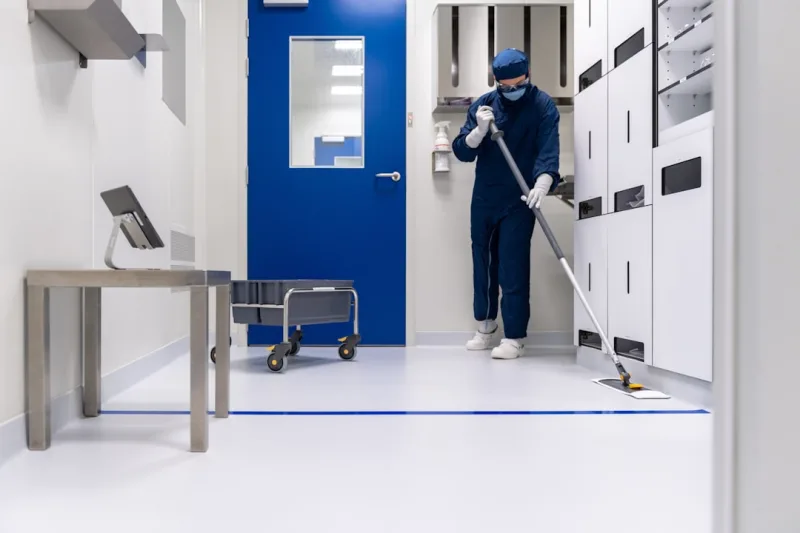
School and Training Centre Cleaning: How to Keep Your Premises in Top Condition
Schools and training centres need consistent, thorough cleaning to stay hygienic and welcoming. Here is how our team approaches these busy, high-footfall environments across Norfolk and Suffolk.
18 Sep 2026
Read More
Cleaning a Rental Property When You Have Pets: A Room-by-Room Guide
Moving out of a rental with pets takes extra preparation. Our room-by-room guide covers everything you need to tackle pet hair, odours, and marks before your landlord's final inspection.
17 Sep 2026
Read More
How to Pass Your End of Tenancy Inspection and Keep Your Deposit
Moving out of a rental? Our practical guide walks you through what landlords and letting agents in Norfolk and Suffolk actually look for, and how to make sure cleaning costs never come out of your deposit.
16 Sep 2026
Read More