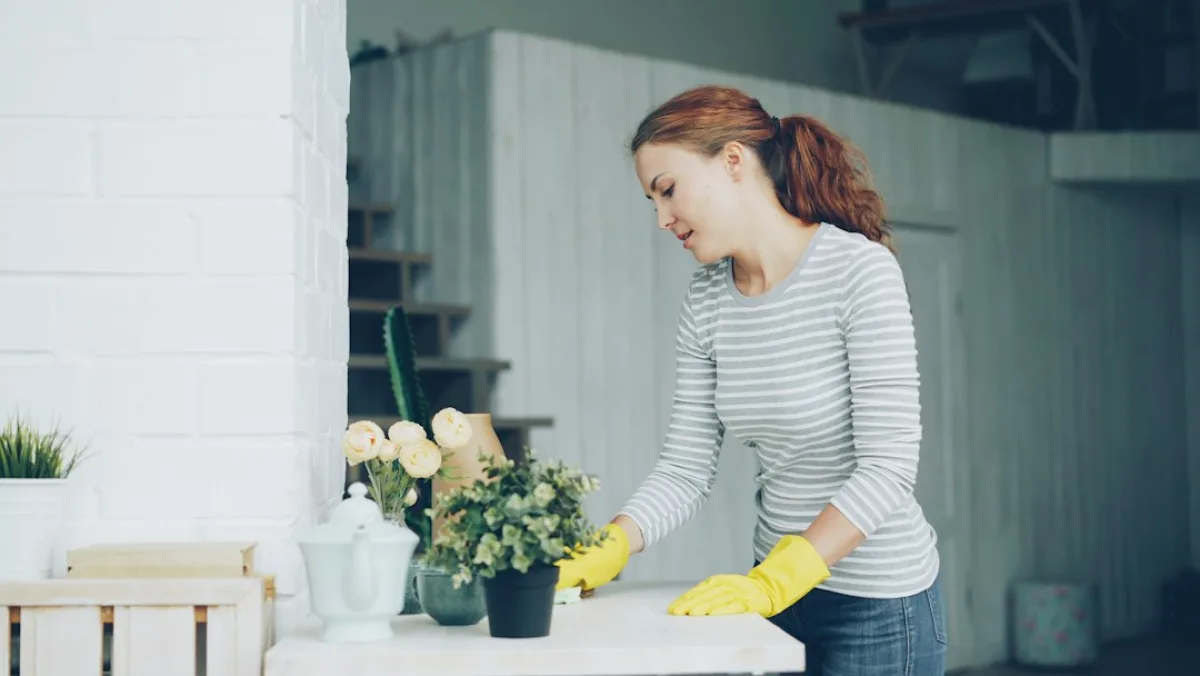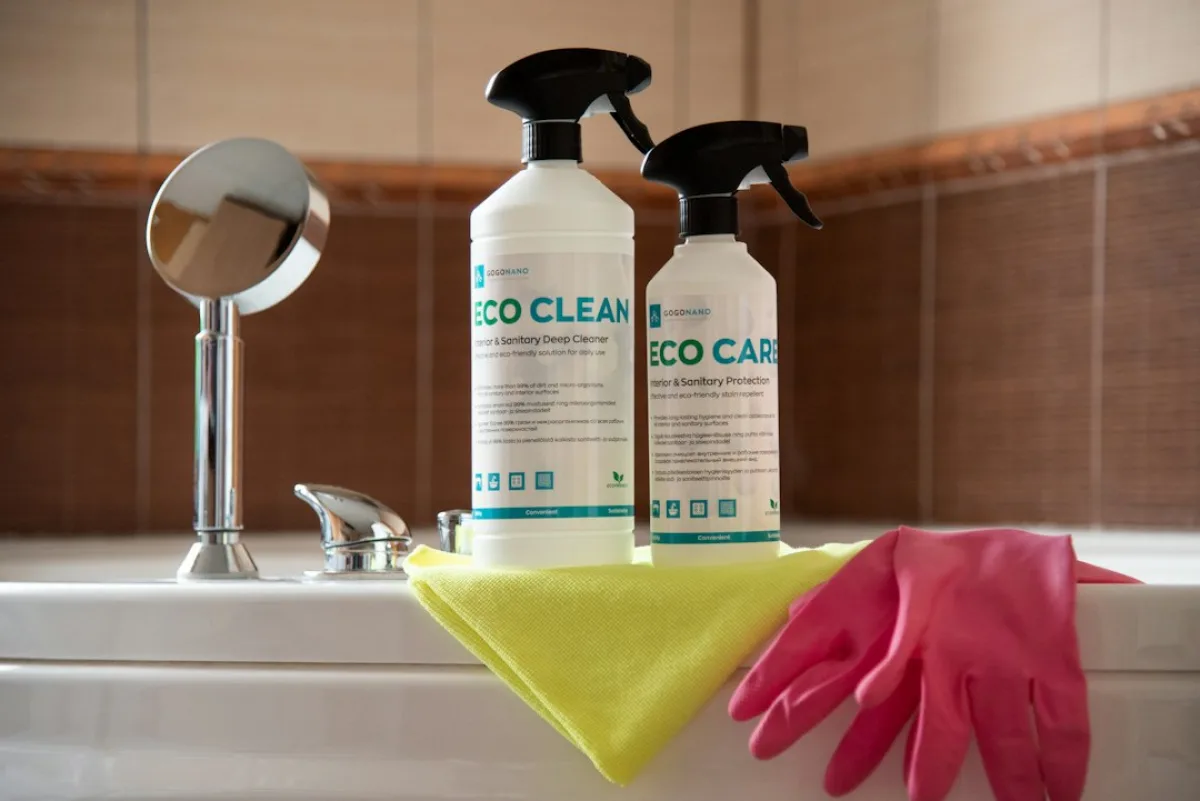

Moving out of a rental property is stressful enough without the worry of deposit deductions hanging over you. Cleaning is consistently one of the most common reasons landlords and letting agents withhold money, and yet it is also one of the most avoidable. With a clear plan and the right effort, you can hand back the property in a condition that satisfies even the most thorough inventory check.
Whether you are handling the clean yourself or calling in our team, this guide walks you through exactly what is expected and how to meet that standard.
What Landlords and Letting Agents Actually Expect
Landlords and letting agents in Norfolk and Suffolk generally expect the property to be returned in the same condition it was in at the start of the tenancy, accounting for fair wear and tear. That phrase matters. Scuffs on a wall after five years of occupation are likely to count as fair wear and tear. A greasy oven that was spotless on move-in day is not.
Most tenancies now include a detailed inventory report with photographs taken at the start. Our cleaners always advise tenants to dig out that document before they start cleaning. It tells you exactly what standard you are being measured against in each room.
Common areas where landlords raise cleaning disputes include:
- Ovens and extractor hoods left with baked-on grease
- Bathrooms with limescale on taps, showerheads and tiles
- Carpets that have not been professionally cleaned
- Windows with smears, grime or dirt on the inside frames and sills
- Kitchen cupboards and drawers left with crumbs or sticky residue
- Mould on silicone seals around baths and shower trays
If your tenancy agreement includes a clause stating carpets must be professionally cleaned, that clause is generally enforceable. It is worth checking before you assume a good vacuum will be enough.
Room-by-Room Cleaning Checklist
Kitchen
The kitchen is almost always the most time-consuming room to clean properly. Focus on:
- Oven: Remove racks and soak them separately. Use a dedicated oven cleaner on the interior and leave it to work before scrubbing. Pay attention to the glass door, the seal and the roof of the oven cavity.
- Extractor hood and filter: Filters can usually be soaked in hot water with washing-up liquid or placed in a dishwasher. Wipe down the outside of the hood thoroughly.
- Fridge and freezer: Defrost the freezer fully before your move-out date. Wipe all shelves and drawers inside and clean the rubber seals.
- Cupboards and drawers: Empty every one and wipe inside and out, including hinges and handles.
- Sink and taps: Descale around the base of taps and the plughole. Limescale remover on a cloth left to soak for ten minutes makes a significant difference.
- Worktops and splashbacks: Clean thoroughly, paying attention to the joins between the splashback and the wall.
Bathrooms and Toilets
Limescale and soap scum are the enemies here. Give yourself more time than you expect.
- Descale showerheads, taps and any chrome fittings
- Scrub grout between tiles using a stiff brush and a grout cleaner or diluted bleach
- Clean mould from silicone seals around the bath, shower tray and basin
- Clean the toilet bowl, under the rim, the seat, the lid and the outside of the cistern
- Wipe down all tiles, mirrors and any glass shower screens
- Clean extractor fan covers
Bedrooms and Living Areas
- Wipe down all skirting boards, door frames and window sills
- Clean light switches and plug sockets with a slightly damp cloth
- Dust and wipe all surfaces, shelving and fitted wardrobes inside and out
- Wash or wipe down any blinds provided with the property
- Clean windows on the inside, including the frames and sills
Carpets and Flooring
Vacuum all carpets thoroughly, moving furniture where possible. If there are stains or heavy soiling, a professional carpet clean is often the only way to meet the required standard. Hard floors should be swept and then mopped, and any scuffs or marks cleaned from skirting boards at floor level.
Outdoor Areas and Hallways
If the property has a garden, patio or bin storage area included in your tenancy, these need attention too. Sweep paths, remove any rubbish and leave outdoor areas tidy. Hallways and stairs, including banisters and handrails, should be vacuumed and wiped down.
Should You Hire Professional End of Tenancy Cleaners?
Hiring professionals is often the safest choice, particularly if your tenancy agreement specifies a professional clean, or if you simply do not have the time or equipment to reach the standard required. Our end of tenancy cleaning service is thorough and aimed specifically at the standards letting agents and landlords expect at handover.
Our team covers a wide area across East Anglia. If you are based in the region, you can check our Norfolk end of tenancy cleaning and Suffolk end of tenancy cleaning pages to find out more about what we offer in your area.
A professional clean also gives you something to point to if there is any dispute. You will have a record of the work carried out and, in many cases, our team can provide a receipt that you can pass on to your landlord or agent.
If you are unsure whether a full end of tenancy clean or a thorough one-off deep clean better suits your situation, our frequently asked questions page covers the differences and what each service typically includes.
Practical Tips to Avoid Deposit Deductions
A little preparation goes a long way:
- Start early. Do not leave cleaning until moving day. Begin at least a week before you hand back the keys so you have time to tackle stubborn areas properly.
- Work from top to bottom. Dust and debris fall downward, so start with high shelves, ceiling corners and light fittings before you tackle floors.
- Take your own photographs. Once the clean is complete, photograph every room. This protects you if any cleaning dispute arises after you have left.
- Check the inventory. Go through the original inventory room by room before you leave. Raise any discrepancies with your landlord or agent in writing before handover, not after.
- Replace any consumables. Some tenancy agreements expect things like light bulbs to be working on checkout. Check yours.
Moving out cleanly and calmly is entirely possible with the right approach. If you would rather hand it over to a team you can trust, we are here to help you leave your rental in the best possible shape.