When it comes to end of tenancy cleaning, effort alone is not enough. You can scrub for hours and still leave behind limescale, grease, or streaks that a landlord or letting agent will notice straight away. The difference between a clean that gets your deposit back and one that falls short often comes down to using the right products and tools in the first place.
Our cleaners work through a lot of rental properties across Norfolk and Suffolk, and over time we have learned which products actually deliver results. This guide covers what we use and why, so you can tackle your move-out clean with confidence.
Why Choosing the Right Products Matters
Standard supermarket sprays are fine for weekly maintenance, but end of tenancy cleaning is a different level of challenge. You are dealing with grease that has been baking onto oven surfaces for months, limescale that has built up around taps and shower screens, and soap scum on bathroom tiles that light cleaning never shifts.
Using underpowered products means spending far more time and energy than necessary, and often still not achieving the standard your landlord expects. Equally, using the wrong product on the wrong surface can cause damage that costs you more than a cleaning shortfall ever would.
If you would rather leave this to us, you can find out more about our end of tenancy cleaning service and what it covers.
Kitchen Cleaning: Products and Tools That Cut Through Grease
Oven and hob
The oven is one of the most common reasons tenants lose part of their deposit. Baked-on grease needs a proper oven cleaner, not a general kitchen spray. We use a thick, caustic oven cleaner that you apply, leave to dwell, and then wipe away. Always follow the instructions and ventilate the room well.
- Oven cleaner gel or foam: look for products designed to sit on surfaces rather than run off. They give the active ingredients time to break down carbonised grease.
- Razor blade scraper: for glass oven doors, a flat razor scraper used at a shallow angle lifts stubborn residue without scratching.
- Non-scratch scouring pads: good for oven racks and hob grates. Avoid wire wool on any coated surface.
Worktops, cupboard fronts, and splashbacks
A good degreaser spray is the workhorse here. We dilute a concentrated degreaser according to the surface and wipe down with microfibre cloths rather than sponges, which can spread grease around rather than lift it. Finish stainless steel surfaces with a dry microfibre to prevent streaking.
Inside cupboards and drawers
These are often overlooked but inventory clerks frequently check them. A simple solution of warm water and washing-up liquid, applied with a damp cloth, is enough for most cupboard interiors. Dry thoroughly afterwards.
Bathroom Cleaning: Tackling Limescale, Soap Scum, and Grout
Limescale
In many parts of Norfolk and Suffolk, hard water is a real issue. Limescale around taps, on shower heads, and on glass screens can look severe but it does respond to the right product. We use a dedicated limescale remover with a decent dwell time. For thick deposits, soak a cloth in the product and wrap it around the affected area for 20 to 30 minutes before scrubbing.
- Limescale remover spray or gel: choose one with a clearly stated dwell time. Spray-and-wipe products rarely cut through heavy build-up.
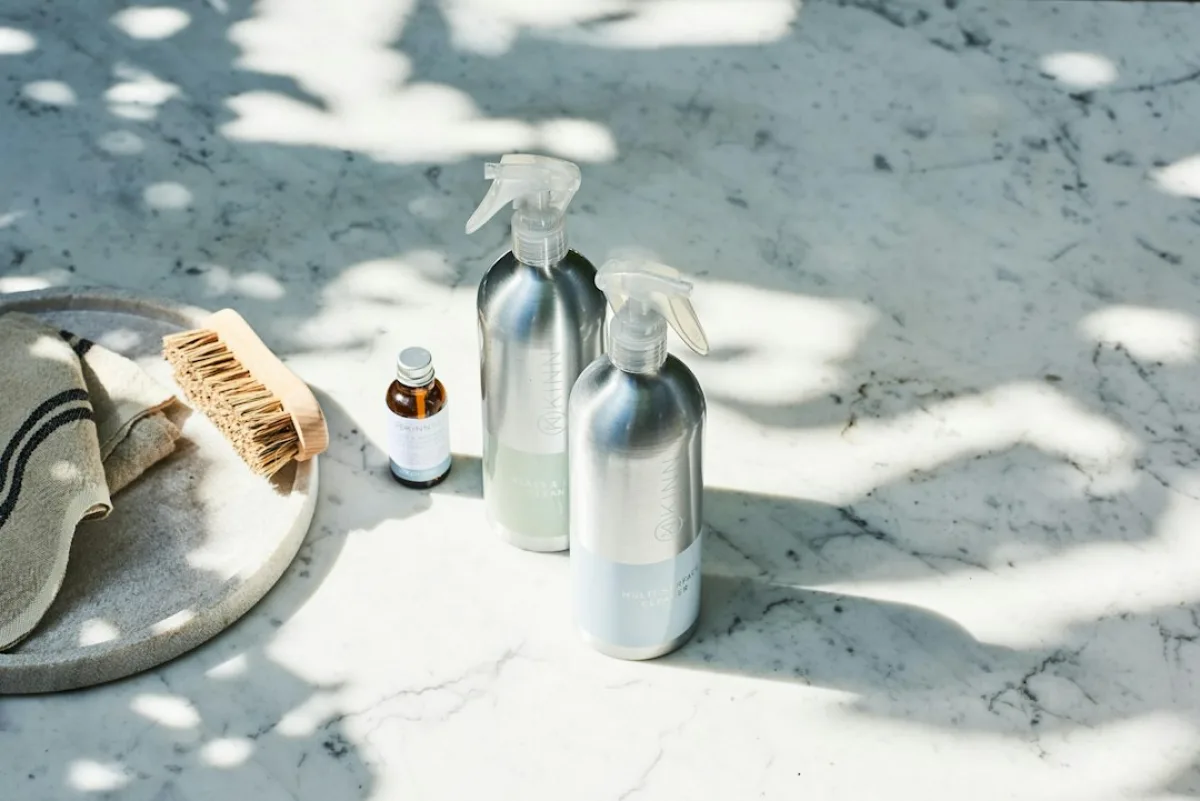
- Old toothbrush or grout brush: essential for getting into the base of taps and around plug holes.
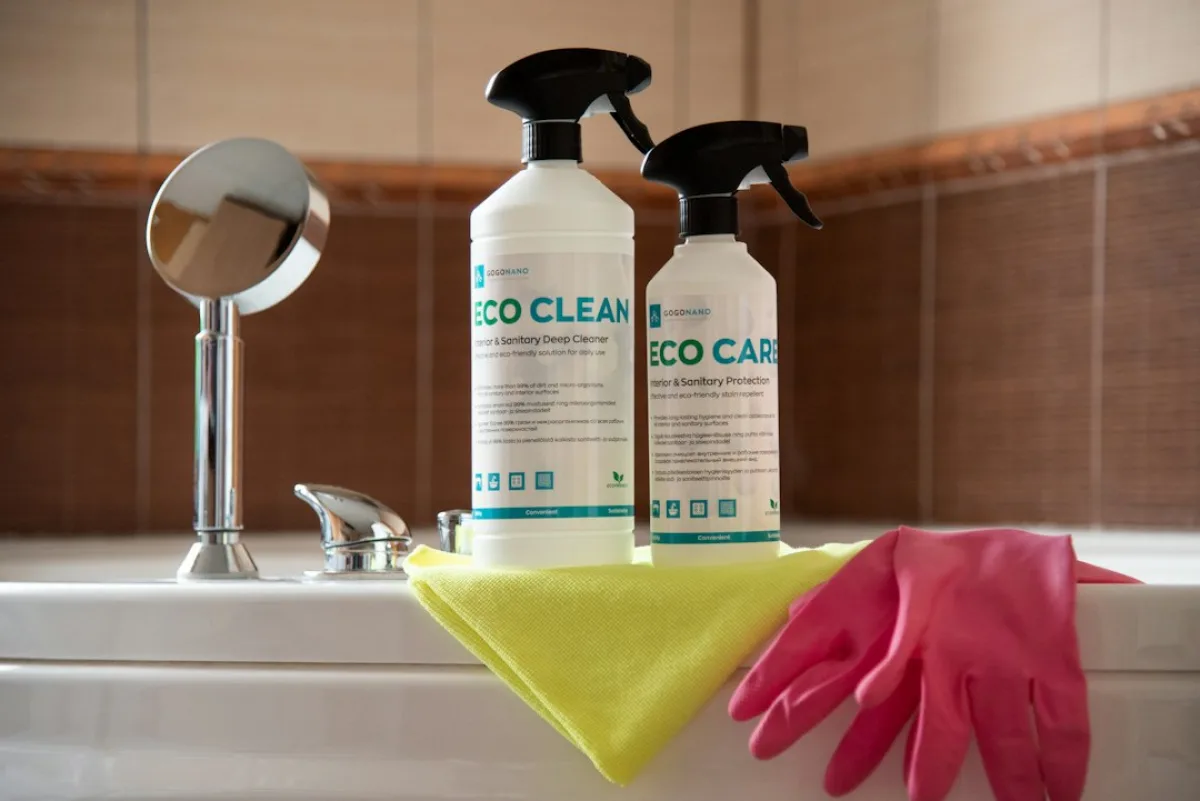
- Microfibre cloth: a must for leaving glass and chrome streak-free after rinsing.
Grout and tiles
Pink or black staining in grout is usually mould or mildew. A bleach-based grout cleaner or a spray containing hydrogen peroxide applied with a stiff grout brush makes a visible difference. Leave it to work for a few minutes before scrubbing. Rinse thoroughly and dry the area to prevent rapid return of moisture-related staining.
Toilet
A thick toilet cleaner applied under the rim and left to soak while you clean the rest of the bathroom makes the job much easier. Finish with a disinfectant spray on the seat, lid, and the base of the toilet including the back, which is often missed.
Floors, Carpets, and Windows
Hard floors
Different floor types need different approaches. For laminate and wood-effect floors, avoid too much water. A spray mop with a dedicated laminate cleaner gives a good finish without the risk of warping. For vinyl or tile floors, a diluted floor cleaner applied with a flat mop works well. Always dry the floor after mopping to prevent streaks.
Carpets
Surface vacuuming alone will not satisfy most landlords if carpets are visibly dirty or marked. A carpet spot treatment spray tackles individual stains, but for whole-room refreshing you really need a carpet cleaner machine. These can be hired from most large DIY retailers. Work in sections, overlapping slightly, and allow plenty of drying time before the property is inspected. If you are in any doubt, professional carpet cleaning is worth considering.
Windows
Streaky windows are one of the most noticeable signs of a rushed clean. We use a glass cleaner spray paired with a rubber squeegee for large panes and a microfibre window cloth for frames and smaller areas. Clean windows on a cloudy day where possible. Bright sun dries the product too quickly and streaks are almost inevitable.
Essential Tools to Have Ready
Even the best products will not perform well with the wrong tools. Here is what we always have on hand for a tenancy clean:
- Microfibre cloths: far more effective than cotton cloths for lifting grime and leaving surfaces streak-free. Have plenty so you are not spreading dirt from one surface to another.
- Scrubbing brush and grout brush: for tiles, grout, and stubborn surface marks.
- Squeegee: for shower screens, windows, and large glass panels.
- Flat mop with replaceable pads: much more hygienic than a traditional string mop and better for hard floors.
- Vacuum cleaner with attachments: a crevice tool reaches the edges of carpeted stairs and skirting boards. An upholstery attachment deals with soft furnishings if the tenancy includes them.
- Razor blade scraper: for glass surfaces, hob splatter, and sticker residue on windows.
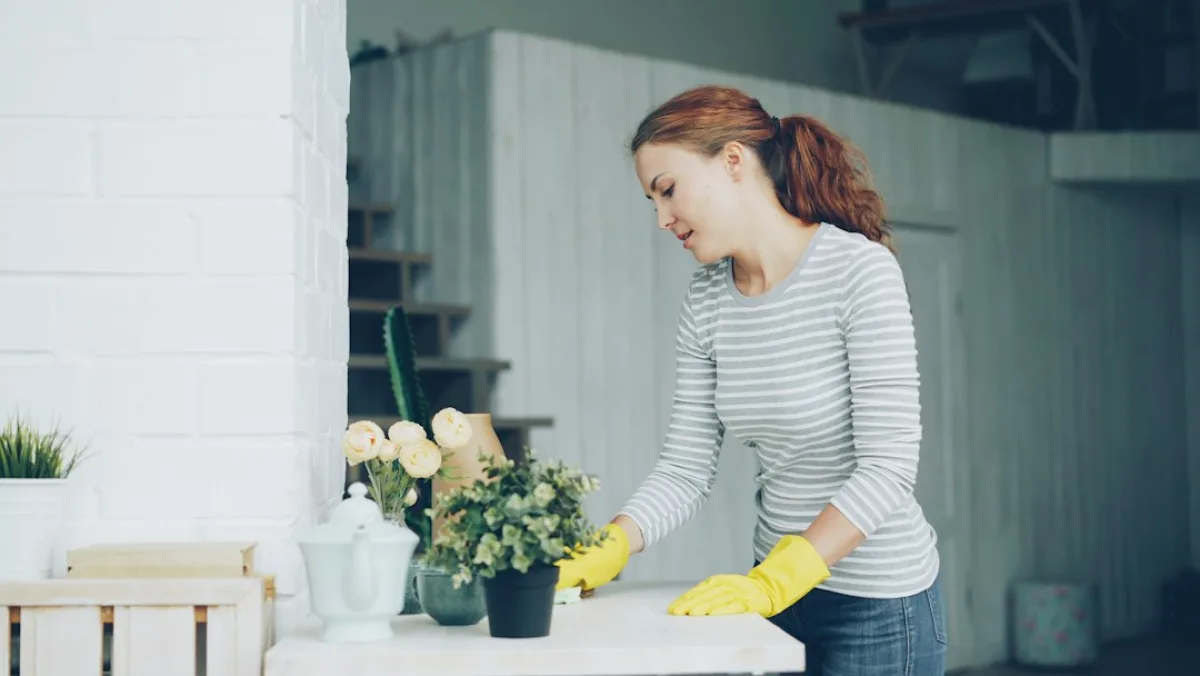
- Rubber gloves: strong ones, not thin disposable gloves. You will be using caustic products and working with your hands in cleaning solution for extended periods.
When to Call in Professional Help
There are times when the sensible decision is to bring in professional cleaners rather than spending a full day on it yourself. If you are short on time, if the property has not been maintained to a high standard throughout the tenancy, or if you are concerned about reaching the standard set out in your original inventory, professional end of tenancy cleaning gives you the best chance of a clean that stands up to inspection.
Our team covers a wide area across East Anglia. If you are based in the region, you can check our end of tenancy cleaning in Norfolk and end of tenancy cleaning in Suffolk pages to see whether we cover your area. You can also take a look at our frequently asked questions if you are unsure what a professional end of tenancy clean includes.
Whether you are doing it yourself or calling us in, the right products and tools will always make the job faster, easier, and more likely to meet your landlord’s expectations.