Living with allergies can be exhausting, and your home should be a place of comfort, not a trigger. Dust mites, pet dander, mould spores and pollen are among the most common indoor allergens in UK homes, and they all respond well to the right cleaning habits. Our team has put together this guide to help you reduce allergen levels room by room and keep your home as comfortable as possible between professional cleans.
Understanding Common Household Allergens
Before we look at cleaning methods, it helps to know what you are dealing with. The most common culprits in British homes include:
- Dust mites — they thrive in warm, humid conditions and love bedding, soft furnishings and carpets
- Pet dander — tiny flakes of skin shed by cats, dogs and other animals that linger on surfaces and in the air
- Mould spores — particularly relevant in East Anglia, where older homes can suffer from damp
- Pollen — brought in from outside and settling on floors, windowsills and soft furnishings
Each of these allergens behaves differently, so a one-size-fits-all approach rarely works. The good news is that with a consistent cleaning routine, you can keep levels low and reduce symptoms significantly.
Allergy-Friendly Cleaning Methods We Recommend
Vacuuming the Right Way
A standard vacuum can actually make things worse if it recirculates fine particles back into the air. We always recommend using a vacuum with a HEPA filter, which traps tiny particles rather than blowing them around the room. Vacuum carpets, rugs and upholstered furniture at least twice a week if allergies are a concern, and move slowly to give the machine time to pick up what is embedded in the fibres.
Hard floors are generally better for allergy sufferers than carpets. If you have hard flooring, use a damp mop rather than a dry broom, which stirs dust up into the air without capturing it.
Bedrooms and Bedding
Bedrooms deserve particular attention because we spend so many hours there. Wash bedding at 60°C or above every week to kill dust mites. If your washing machine does not reach that temperature, most pharmacies sell allergen-reducing laundry additives that work at lower temperatures.
Consider allergen-barrier covers for mattresses and pillows. These zip-up covers prevent dust mites from settling into the filling and are easy to wipe down. Our cleaners pay close attention to skirting boards, under-bed areas and the tops of wardrobes in bedrooms, as these spots collect dust quickly and are easy to overlook.
Kitchens and Bathrooms
Moisture encourages mould growth, and mould spores are a significant allergen. In kitchens and bathrooms, keep surfaces dry and well ventilated. Wipe down tiles, grout lines and silicone seals regularly, and address any small patches of surface mould promptly with a diluted white vinegar solution or a mould-specific bathroom cleaner.
For kitchen hygiene guidance, you might find our cleaning advice blog a useful resource for regular tips.
Choosing Allergy-Friendly Cleaning Products
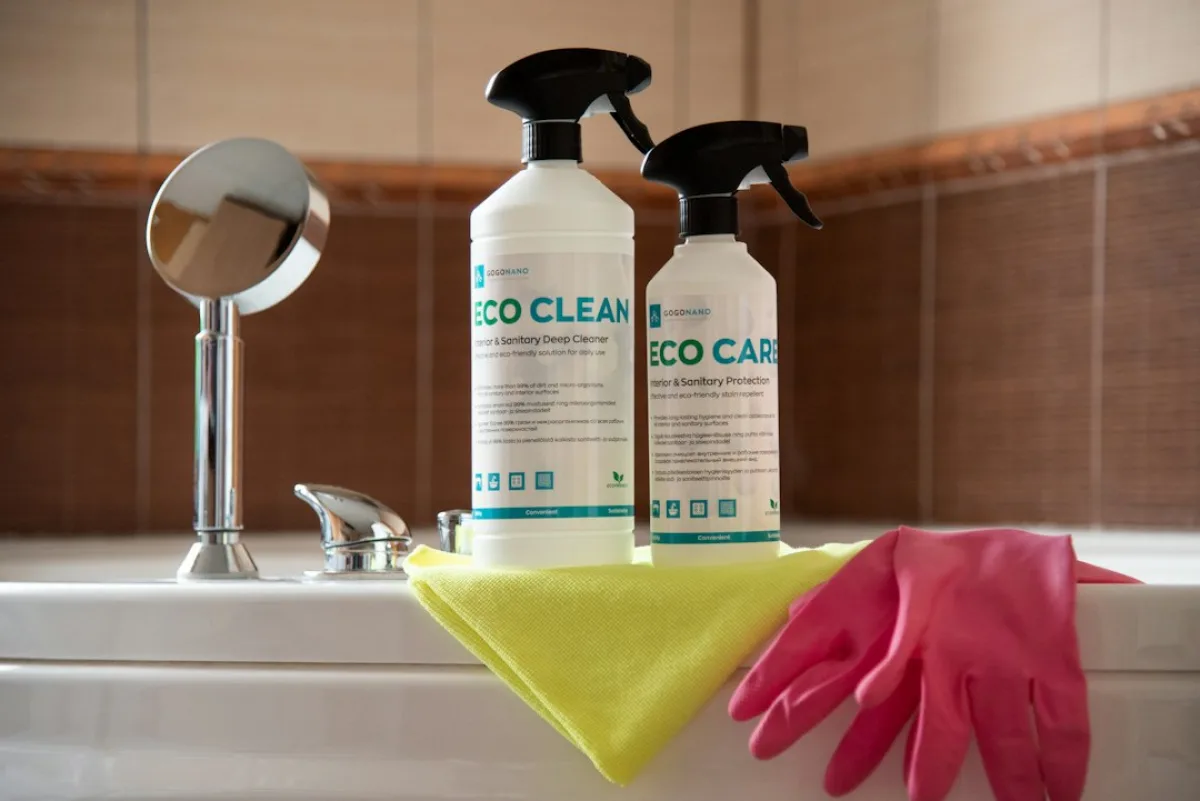
Many conventional cleaning sprays contain fragrances and harsh chemicals that can irritate airways, particularly for people with asthma or chemical sensitivities. We recommend looking for products that are fragrance-free or labelled as suitable for sensitive households. Bicarbonate of soda and white vinegar are gentle, effective and widely available in British supermarkets. They are excellent for wiping down surfaces, deodorising and tackling light limescale without filling your home with strong fumes.
Microfibre cloths are worth investing in too. They trap dust and bacteria more effectively than cotton cloths and can be washed and reused many times, making them a practical choice for an eco-friendly routine.
Room-by-Room Priorities
Living Rooms
Soft furnishings such as cushions, throws and curtains hold allergens well. Wash them regularly where possible, or take them outside to air on dry days. Vacuum sofas weekly and wipe down hard surfaces including shelving, TV units and window frames with a damp microfibre cloth. Keep windows open on low-pollen days to ventilate, but check your local pollen forecast first if hay fever is a concern.
Hallways and Stairs
Hallways are where outdoor allergens, including pollen and pollution particles, are introduced into the home. Placing a good doormat inside and outside your front door and removing shoes at the entrance makes a notable difference. Vacuum stairs regularly, working from top to bottom, and pay attention to the edges where the carpet meets the skirting board.
Spare Rooms and Seldom-Used Spaces
Rooms that are cleaned less frequently can accumulate a surprising amount of dust. If you have a spare room or study that is not used daily, give it a thorough clean at least fortnightly and keep clutter to a minimum, as items left on surfaces gather dust quickly.
How a Regular Cleaning Routine Helps
Consistency is key when managing allergens. A thorough clean once a month is far less effective than lighter, more frequent cleaning that prevents build-up in the first place. Many of our customers in Norfolk and Suffolk find that a fortnightly professional clean, combined with simple daily habits, keeps their homes noticeably more comfortable for allergy sufferers.
If you would like to know more about how our team can support your household, take a look at our regular cleaning service, which covers everything from vacuuming and mopping to surface cleaning and bathroom hygiene. We also offer a deep cleaning service if you want to start fresh before settling into a maintenance routine.
We cover a wide area across the region, so if you are not sure whether we come to you, our areas we cover page is the best place to check.
Simple Daily Habits That Make a Big Difference
- Open windows for at least 15 minutes each morning to air rooms, choosing low-pollen times where possible
- Wipe kitchen surfaces and the hob after cooking to prevent grease and crumbs attracting dust
- Remove outdoor clothing and footwear at the door
- Empty bins regularly to prevent mould growth from food waste
- Keep clutter to a minimum, as objects on surfaces collect dust
- Run an extractor fan or open a window when showering to reduce moisture
Small consistent habits like these sit alongside professional cleaning rather than replacing it, and together they can make your home a much more comfortable place to live with allergies.